The Complete Parana Guide: Exact Rules for Breaking an Ekadashi Fast
Observing an Ekadashi fast is only half the journey; breaking it properly the next morning (Parana) is just as essential. Here is a clear, step-by-step guide to the timings and traditions.
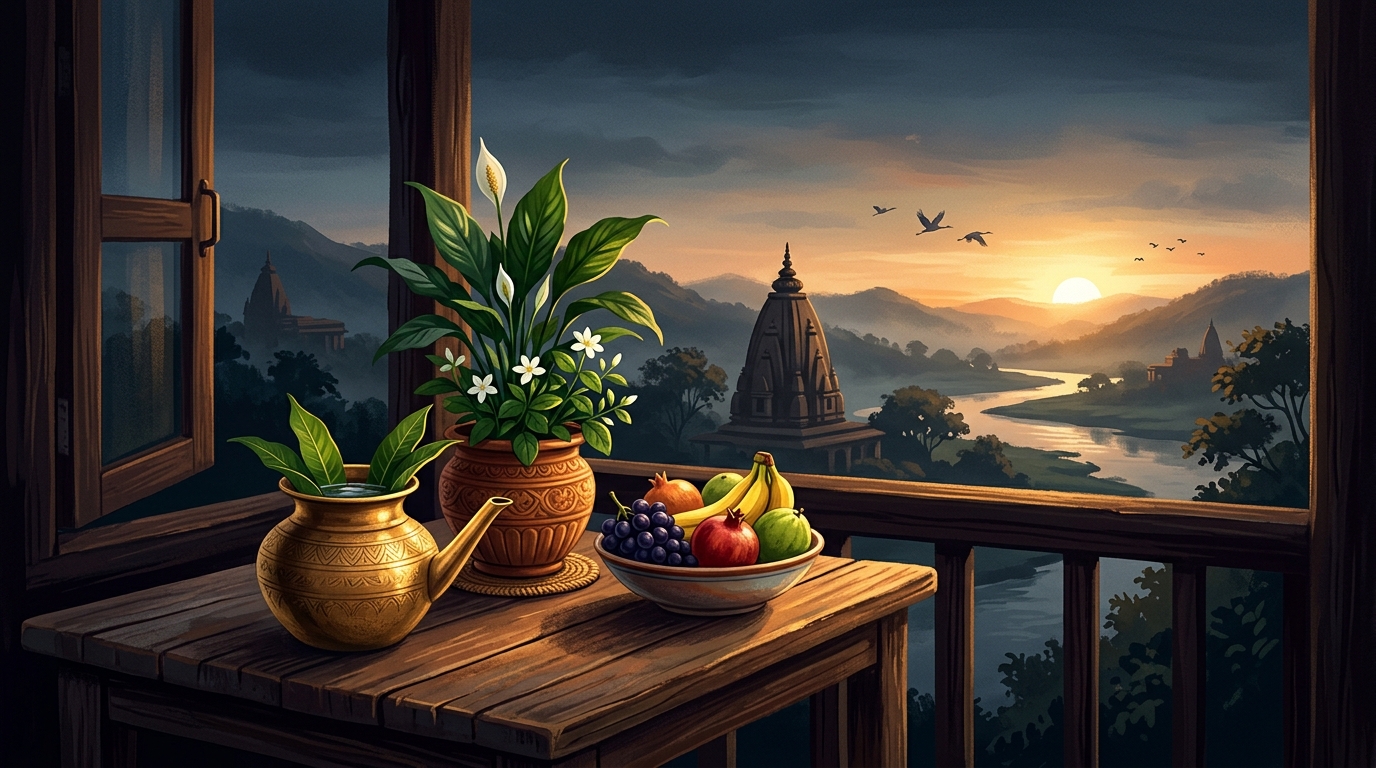
Many devotees focus so much on what to eat or avoid on Ekadashi day that they overlook the final, crucial step: Parana (breaking the fast on the morning of Dvadashi, the 12th lunar day).
Under classical Vedic principles, concluding a fast without adhering to proper Parana guidelines is believed to dilute the spiritual benefit of the observance. Fortunately, the practical rules are very straightforward once you understand the basic timing.
Rule 1: Always Break the Fast After Local Sunrise
An Ekadashi fast can never be broken before sunrise on Dvadashi day. Even if the 11th Tithi ended at 4:00 AM, you must wait until local sunrise in your city before performing your morning prayers and breaking your fast.
Rule 2: Parana Must Be Completed Within Dvadashi Tithi
If Dvadashi Tithi lapses during the daytime before sunset, tradition dictates that you complete your Parana before Dvadashi concludes. Breaking the fast after the Tithi expires is traditionally avoided.
What if Dvadashi ends before sunrise? Fasting cannot be concluded during darkness or before sunrise. In specific planetary alignments where Dvadashi Tithi finishes during the pre-dawn hours of the night, traditional Smartha and Vaishnava authorities agree on the recognized exception: the fast is broken immediately following local sunrise on Trayodashi morning.
Rule 3: Avoid "Hari Vasara"
Traditional panchangams often mark a morning interval called Hari Vasara. This corresponds to the first quarter (one-fourth) of Dvadashi Tithi. Devotees are advised to wait until Hari Vasara concludes before breaking their fast.
What Should You Eat to Break the Fast?
After 24 hours of resting your digestive system, ease your stomach back to work gently:
- Start with Tulsi Water: Take a small sip of clean water with a sacred Tulsi leaf after offering morning prayers.
- A Sweet Natural Fruit: A piece of fresh papaya, a banana, or a date provides gentle natural glucose.
- Simple Sattvic Breakfast: Have a light meal like warm moong dal khichdi or poha. Avoid heavy, deep-fried pakoras, excessively spicy curries, or heavy dairy for at least 3 to 4 hours so your digestion wakes up smoothly.
Step-by-Step Timing Calculation
Calculating the exact Parana timing window requires checking a local astronomical calendar (Panchangam) for your specific city. Follow these steps to determine your window:
- Find Local Sunrise: Look up the exact sunrise time for your city on Dvadashi morning (e.g., 5:45 AM). You cannot break the fast before this minute.
- Calculate Hari Vasara: Determine the total duration of Dvadashi Tithi. Divide this duration by four. This first 25% of Dvadashi is Hari Vasara. Add this duration to the start of Dvadashi to find when Hari Vasara ends. You must wait until this time passes.
- Identify Dvadashi End Time: Check when Dvadashi Tithi concludes (e.g., 10:15 AM).
- Establish the Window: Your ideal Parana window is between the end of Hari Vasara (or local sunrise, whichever is later) and the end of Dvadashi Tithi.
Meal Recovery Recommendations
After fasting, your stomach acid levels and digestive enzymes are low. Breaking the fast with heavy, oily, or highly processed foods can cause severe acid reflux, bloating, and lethargy. Here is a quick reference guide on what to eat and what to avoid during your Parana meal:
| Recommended (Gentle on Stomach) | Strictly Avoid (Hard to Digest) |
|---|---|
| Warm lemon water with a pinch of salt | Strong caffeinated tea or black coffee |
| Fresh, water-rich fruits (papaya, melon, banana) | Deep-fried foods (samosas, pakoras, pooris) |
| Moong Dal Khichdi (lightly seasoned) | Heavy dairy products (paneer, thick creams) |
| Boiled vegetables or light vegetable soups | Excessively spicy, rich tomato-based curries |